

Muscle and Motion Anatomy: A Beginner’s Guide
Understanding how our muscles and joints work together to create movement is fundamental to fitness, rehabilitation, and even everyday life. This post offers a basic overview of muscle and motion anatomy, breaking down the key concepts in an accessible way.
Decoding the Mechanics of Movement
Our bodies move thanks to a complex interplay between our skeletal system, muscular system, and nervous system. Think of the skeleton as the framework, providing the structure and support for our bodies. Muscles, attached to bones via tendons, are the engines that power movement. When a muscle contracts (shortens), it pulls on the bones it’s attached to, creating movement at the joint. The nervous system acts as the control panel, sending signals to the muscles to tell them when and how to contract.
Joints, the points where two or more bones meet, are crucial for allowing a range of motion. Different types of joints, such as hinge joints (like the elbow and knee) and ball-and-socket joints (like the hip and shoulder), permit different types of movement. Each joint has a specific range of motion, limited by ligaments, tendons, and the shape of the bones themselves.
Muscles often work in pairs or groups to create movement. Agonist muscles are the primary movers, responsible for the main action. Antagonist muscles oppose the agonist, controlling the speed and smoothness of the movement. Synergist muscles assist the agonist, stabilizing the joint and preventing unwanted movements. For example, when you bend your elbow, the biceps brachii is the agonist, the triceps brachii is the antagonist, and other muscles in the shoulder and forearm act as synergists.
Understanding different types of muscle contractions is also essential. Concentric contractions occur when the muscle shortens while generating force, like lifting a weight during a bicep curl. Eccentric contractions happen when the muscle lengthens while generating force, like slowly lowering the weight during a bicep curl. Isometric contractions occur when the muscle generates force without changing length, like holding a plank position.
Key Anatomical Terminology
To further understand muscle and motion, familiarity with some basic anatomical terms is helpful. Flexion refers to decreasing the angle between two bones, like bending your elbow. Extension refers to increasing the angle between two bones, like straightening your elbow. Abduction is moving a limb away from the midline of the body, while adduction is moving a limb towards the midline of the body. Rotation refers to movement around an axis.
FAQ
Q: What are the main types of muscle tissue?
A: There are three types: skeletal muscle (responsible for voluntary movement), smooth muscle (found in internal organs), and cardiac muscle (found in the heart).
Q: What is a tendon?
A: A tendon is a strong, fibrous connective tissue that attaches muscles to bones.
Q: Why is understanding muscle and motion anatomy important?
A: It helps you understand how your body moves, preventing injuries, improving athletic performance, and aiding in rehabilitation from injuries.
Q: Where can I learn more about this topic?
A: Consider taking an anatomy course, consulting with a physical therapist or personal trainer, or researching online resources like reputable anatomy websites and textbooks.
If you are looking for Get an Inside View of the Anatomy Biomechanics of Movement Get an Inside View of the Anatomy Biomechanics of Movement you’ve came to the right place. We have 15 Pictures about Anatomy by Muscle Motion androidrank.org, Get an Inside View of the Anatomy Biomechanics of Movement, Get an Inside View of the Anatomy Biomechanics of Movement like Anatomy by Muscle Motion androidrank.org Get an Inside View of the Anatomy Biomechanics of Movement Get an Inside View of the Anatomy Biomechanics of Movement Anatomy Physiology Blog Muscle and Motion. Here it is:
Get An Inside View Of The Anatomy Biomechanics Of Movement
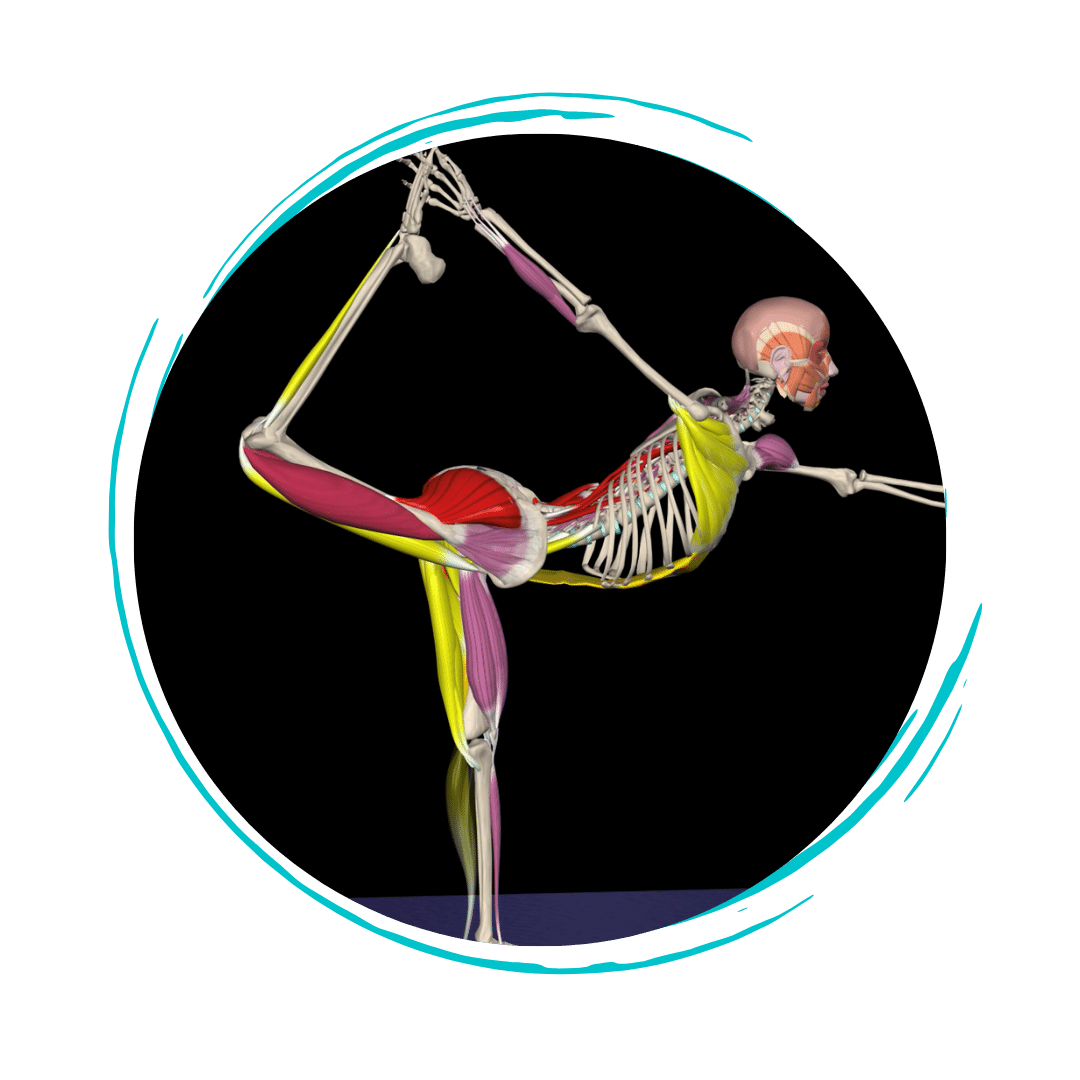
Image description: Anatomy by Muscle Motion for Android – Download Get an Inside View of the Anatomy Biomechanics of Movement Anatomy by Muscle Motion – Apps on Google Play Muscle Motion – Anatomy 20 Discount
Anatomy By Muscle Motion For Android – Download Anatomy By Muscle Motion For Android – Download
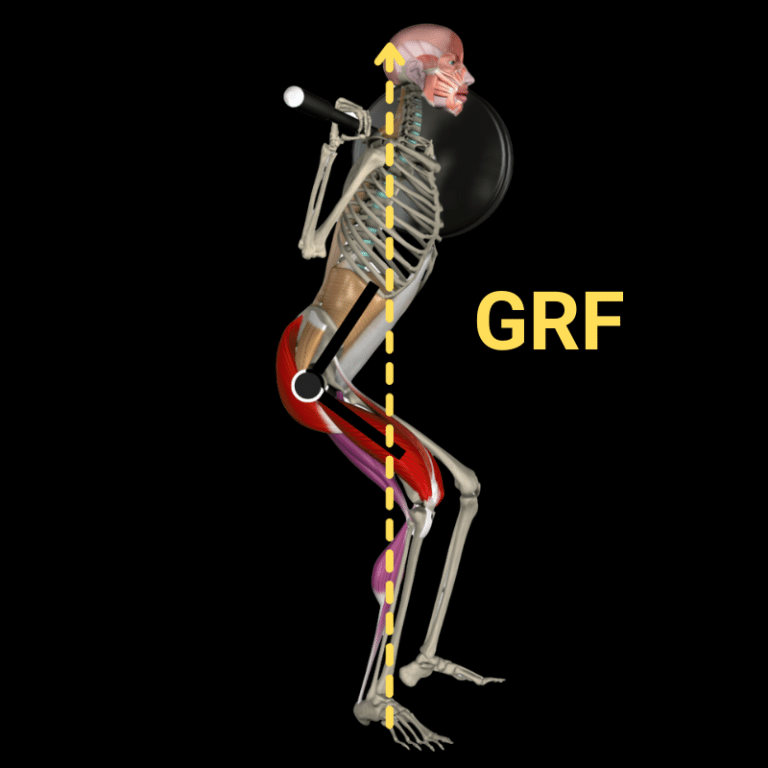
Image description: 11 MuscleMotion – Strength Training Anatomy, Muscular Anatomy and More Anatomy Physiology Blog Muscle and Motion
Muscle Motion – Anatomy 20 Discount Get An Inside View Of The Anatomy Biomechanics Of Movement
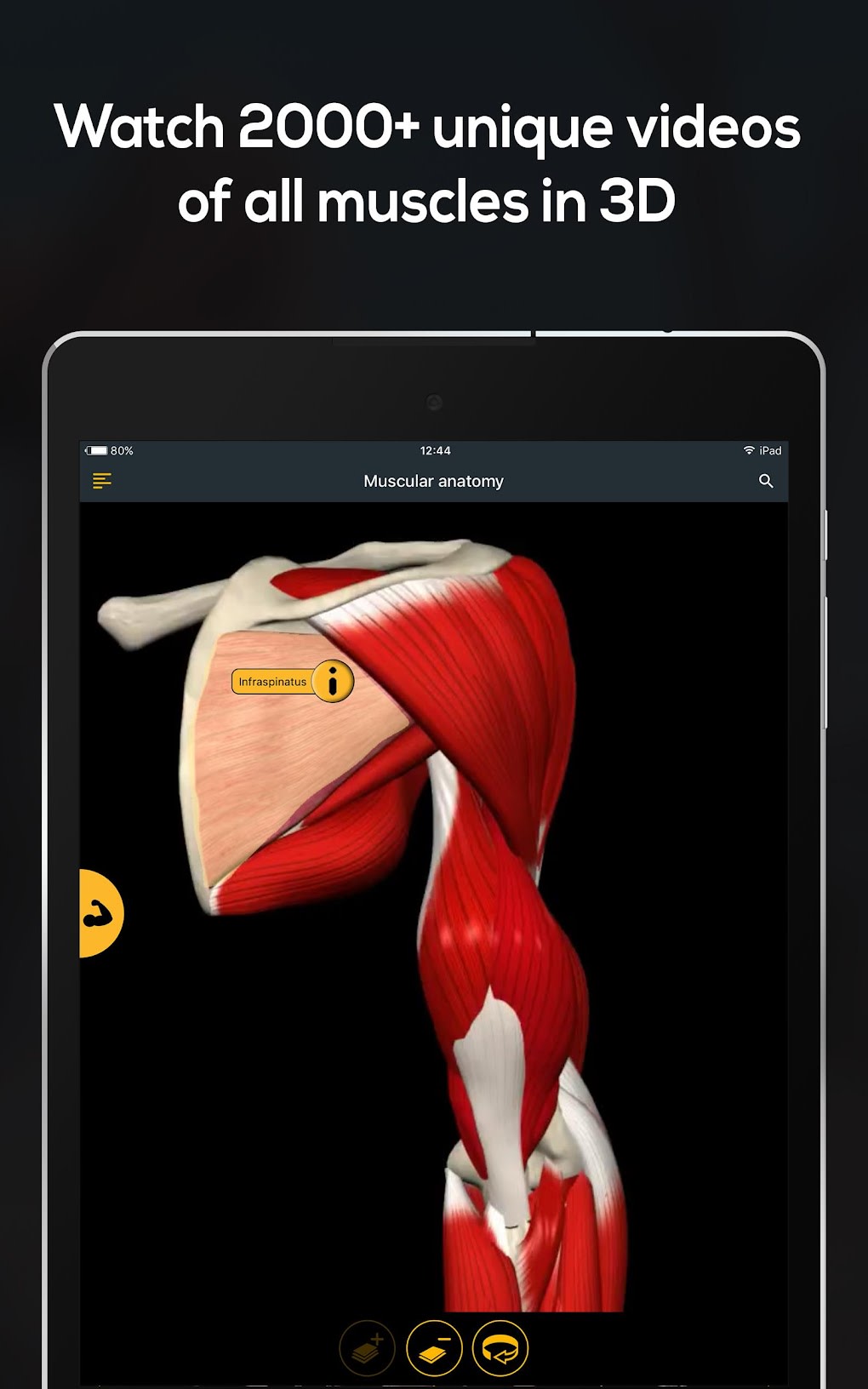
Image description: 11 MuscleMotion – Strength Training Anatomy, Muscular Anatomy and More Muscle Motion – Anatomy 20 Discount
11 MuscleMotion – Strength Training Anatomy, Muscular Anatomy And More Muscle Motion – Anatomy 20 Discount
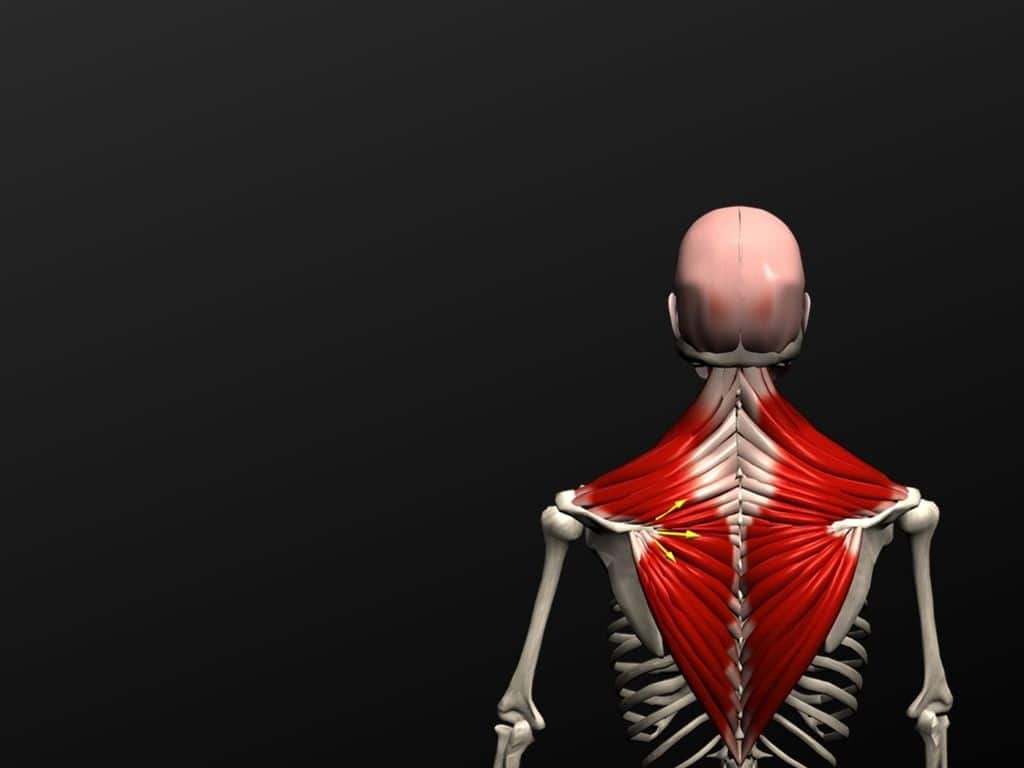
Image description: Get an Inside View of the Anatomy Biomechanics of Movement Anatomy by Muscle Motion – Apps on Google Play Get an Inside View of the Anatomy Biomechanics of Movement
Get An Inside View Of The Anatomy Biomechanics Of Movement
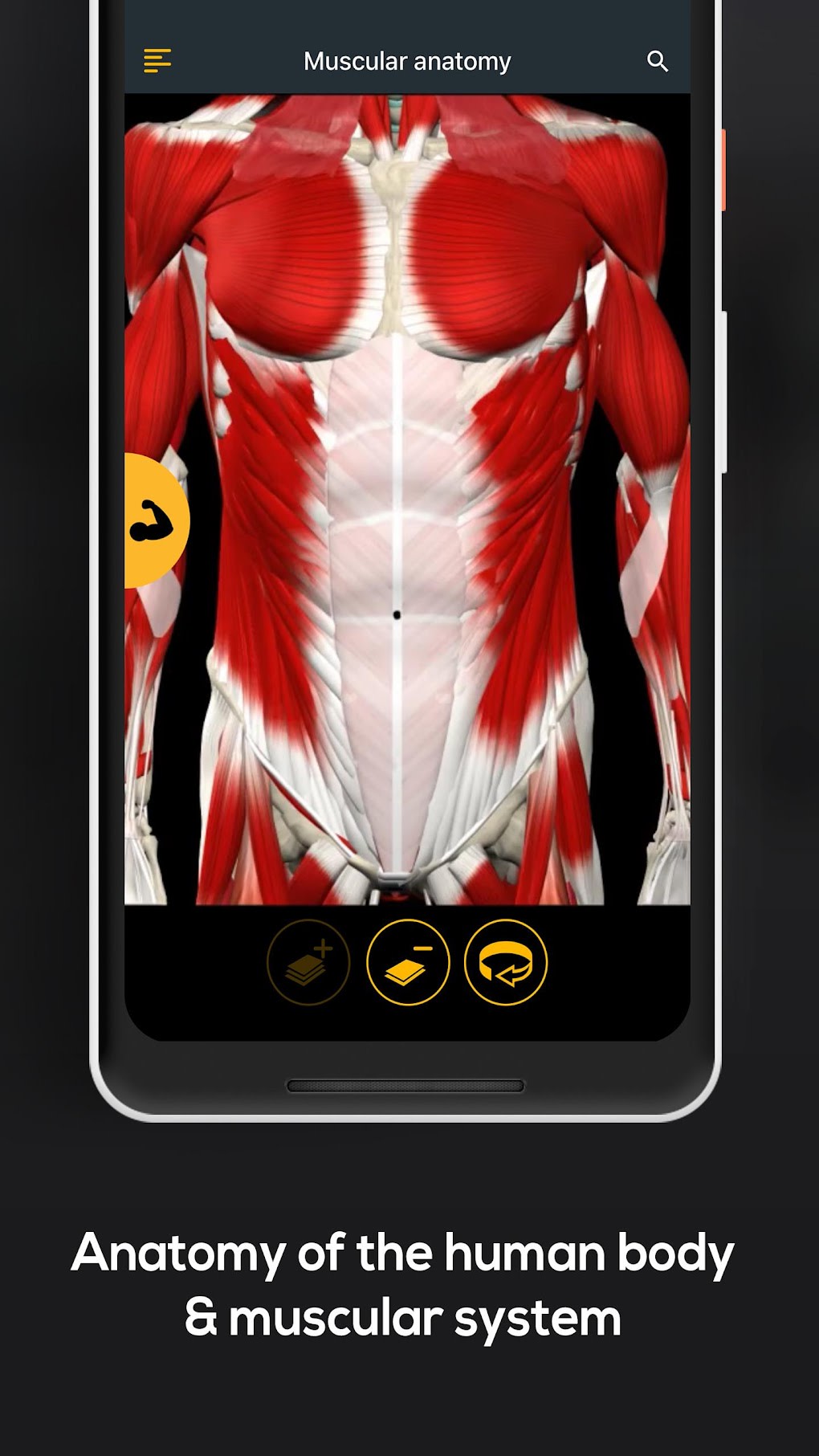
Image description: Anatomy of Movement PDF Anatomical Terms Of Motion Get an Inside View of the Anatomy Biomechanics of Movement
Anatomy Of Movement PDF Anatomical Terms Of Motion Get An Inside View Of The Anatomy Biomechanics Of Movement

Image description: Get an Inside View of the Anatomy Biomechanics of Movement Get an Inside View of the Anatomy Biomechanics of Movement Muscle Motion – Anatomy 20 Discount
Get An Inside View Of The Anatomy Biomechanics Of Movement
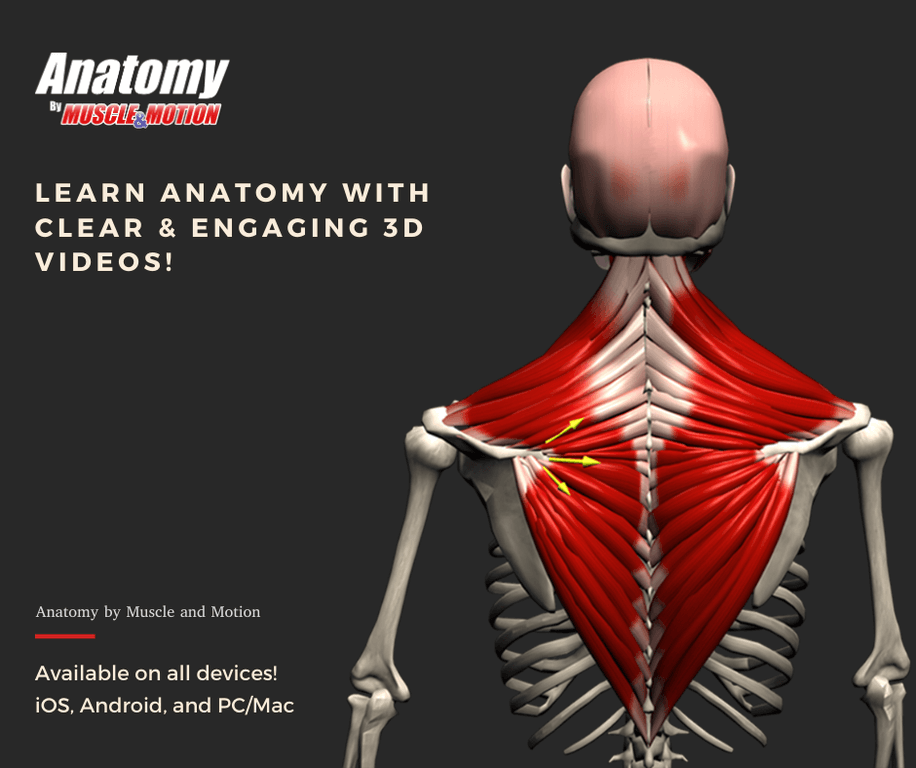
Image description: Anatomy by Muscle Motion – Apps on Google Play 11 MuscleMotion – Strength Training Anatomy, Muscular Anatomy and More Anatomy by Muscle Motion for Android – Download
Anatomy By Muscle Motion For Android – Download Muscle And Motion Anatomy – Apps On Google Play

Image description: Anatomy Physiology Blog Muscle and Motion Get an Inside View of the Anatomy Biomechanics of Movement Get an Inside View of the Anatomy Biomechanics of Movement Anatomy by Muscle Motion – Apps on Google Play
Anatomy By Muscle Motion – Apps On Google Play Anatomy Physiology Blog Muscle And Motion
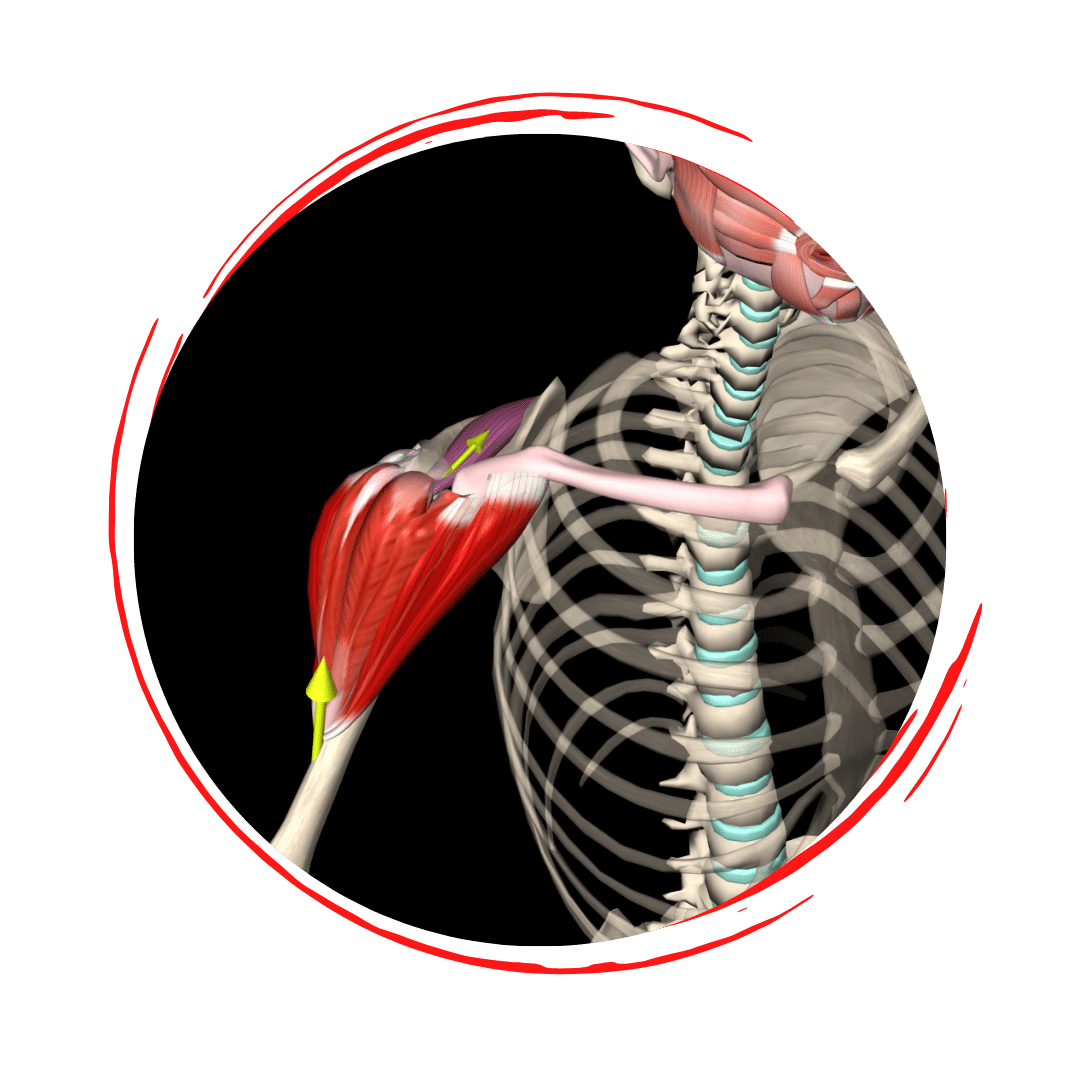
Image description: Get an Inside View of the Anatomy Biomechanics of Movement Anatomy by Muscle Motion for Android – Download 11 MuscleMotion – Strength Training Anatomy, Muscular Anatomy and More Get an Inside View of the Anatomy Biomechanics of Movement
Anatomy Of Movement PDF Anatomical Terms Of Motion Muscle And Motion Anatomy – Apps On Google Play
.png)
Image description: Get an Inside View of the Anatomy Biomechanics of Movement Muscle and Motion Anatomy – Apps on Google Play
Muscle Motion – Anatomy 20 Discount
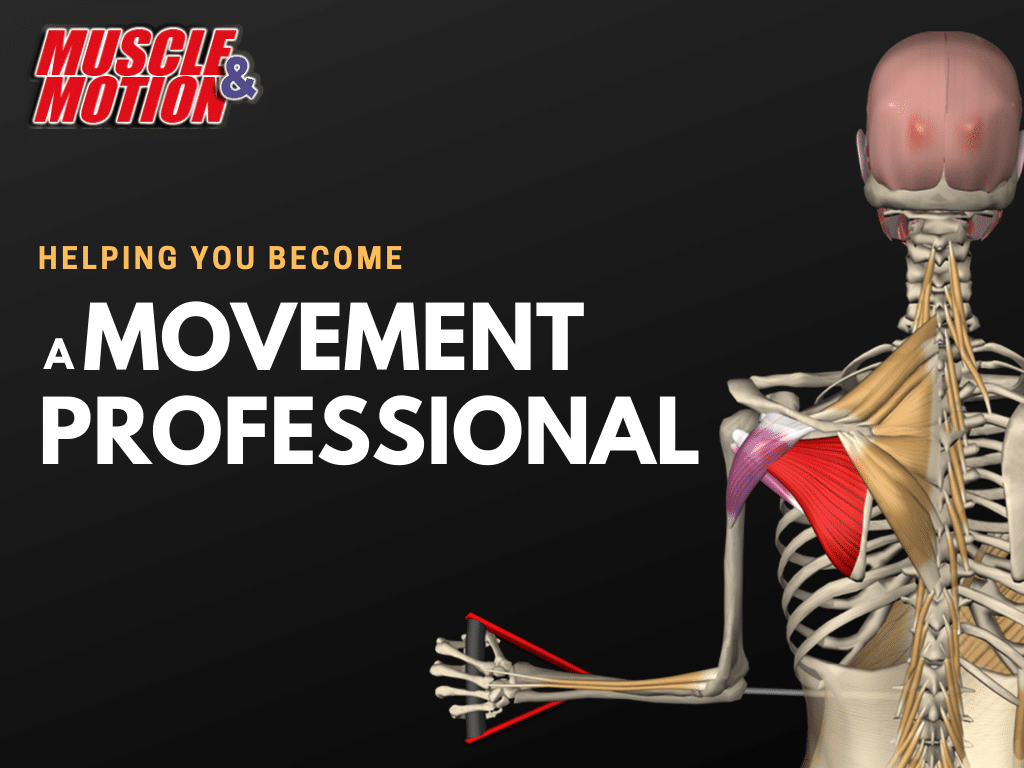
Image description: Anatomy by Muscle Motion for Android – Download Get an Inside View of the Anatomy Biomechanics of Movement
Anatomy Physiology Blog Muscle And Motion Muscle Motion – Anatomy 20 Discount

Image description: Anatomy of Movement PDF Anatomical Terms Of Motion Anatomy by Muscle Motion for Android – Download Anatomy Physiology Blog Muscle and Motion Get an Inside View of the Anatomy Biomechanics of Movement
Muscle And Motion Anatomy – Apps On Google Play
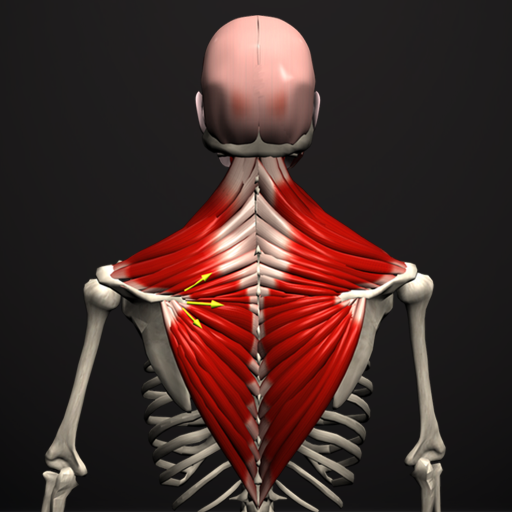
Image description: Get an Inside View of the Anatomy Biomechanics of Movement Muscle Motion – Anatomy 20 Discount Get an Inside View of the Anatomy Biomechanics of Movement Anatomy Physiology Blog Muscle and Motion
Anatomy Physiology Blog Muscle And Motion

Image description: Muscle Motion – Anatomy 20 Discount Anatomy by Muscle Motion androidrank.org Anatomy Physiology Blog Muscle and Motion Anatomy of Movement PDF Anatomical Terms Of Motion
Get An Inside View Of The Anatomy Biomechanics Of Movement Anatomy By Muscle Motion – Apps On Google Play
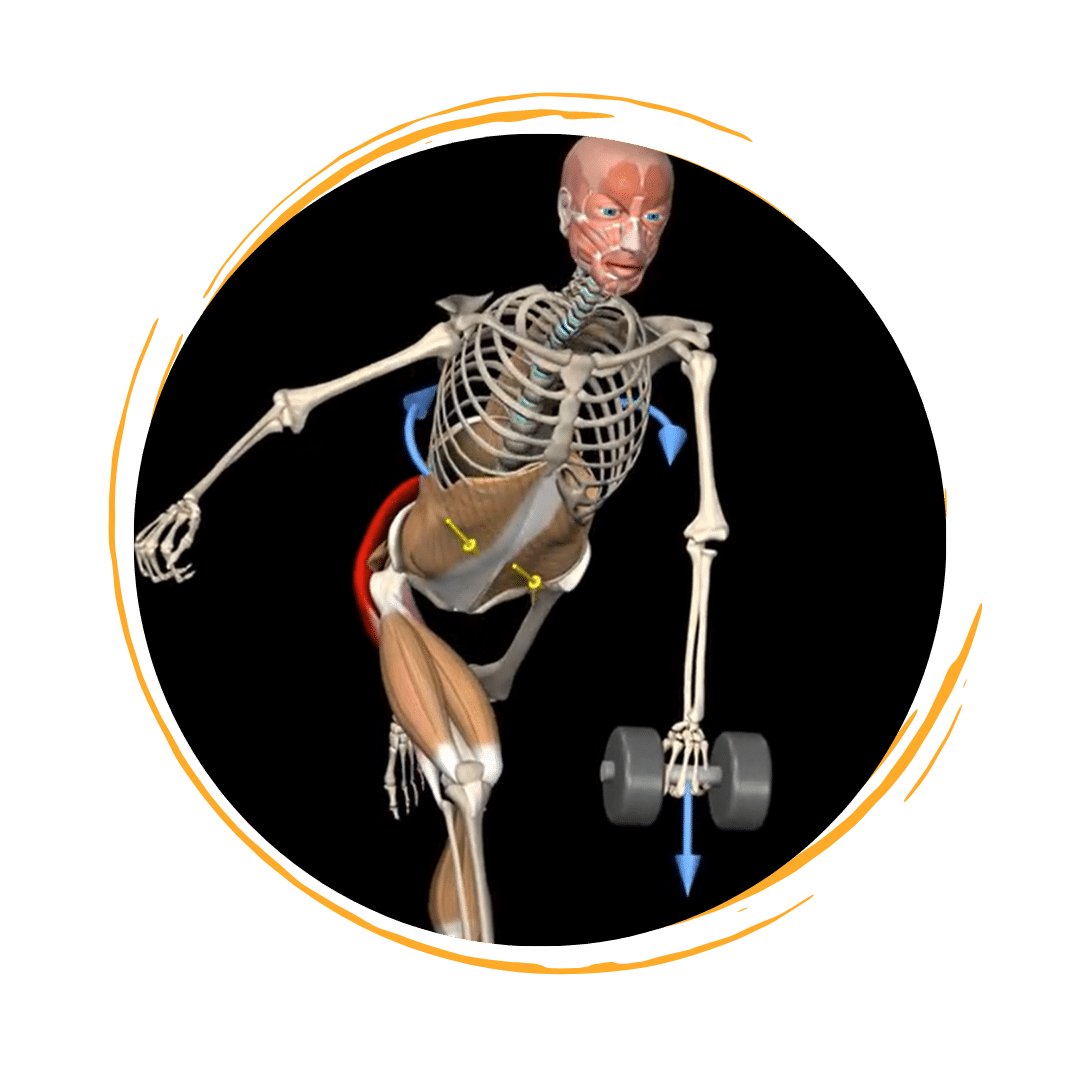
Image description: Muscle Motion – Anatomy 20 Discount Get an Inside View of the Anatomy Biomechanics of Movement Get an Inside View of the Anatomy Biomechanics of Movement
The graphics displayed are strictly for explanatory use only. We do not host any third-party media on our platform. All resources is fetched directly from public domain sources provided for non-commercial use only. Assets are provided straight from the legitimate distributors. For any ownership inquiries or requests for withdrawal, please communicate with our support team via Contact page.


