

Understanding the intricate relationship between motion and muscle contraction is fundamental to comprehending how our bodies function. From the simplest movements like blinking to complex athletic feats, muscle contractions are the engine that drives our mobility. This post will delve into the process of muscle contraction and its crucial role in facilitating movement.
Motion, in the biological context, refers to any change in position or orientation of the body or its parts. This encompasses a vast spectrum of activities, from breathing and digestion to walking, running, and fine motor skills. Underlying each of these movements is the coordinated action of our muscular system. Muscles, the workhorses of our body, achieve motion by contracting – shortening and exerting force.
Muscle contraction is a complex physiological process initiated by nerve impulses. When a motor neuron (nerve cell) transmits a signal to a muscle fiber (muscle cell), it triggers a cascade of events. The signal causes the release of acetylcholine, a neurotransmitter, at the neuromuscular junction, the point of contact between the nerve and the muscle. Acetylcholine binds to receptors on the muscle fiber membrane, initiating an electrical impulse called an action potential. This action potential travels along the muscle fiber, ultimately leading to the release of calcium ions from the sarcoplasmic reticulum, a specialized storage compartment within the muscle cell.
Calcium ions are the key regulators of muscle contraction. They bind to a protein complex called troponin, which is located on the actin filaments, one of the two main protein filaments responsible for muscle contraction. This binding causes a shift in the position of another protein, tropomyosin, exposing binding sites on the actin filament. Myosin, the other major protein filament, has “heads” that can now attach to these exposed binding sites on actin. This attachment forms cross-bridges between the actin and myosin filaments.
The energy for muscle contraction comes from ATP (adenosine triphosphate). Myosin heads hydrolyze ATP, converting it to ADP (adenosine diphosphate) and phosphate, releasing energy. This energy fuels the “power stroke,” where the myosin heads pivot and pull the actin filaments towards the center of the sarcomere, the functional unit of a muscle fiber. This shortening of the sarcomere, repeated across many sarcomeres within the muscle fiber, results in muscle contraction.
After the nerve impulse ceases, calcium ions are actively transported back into the sarcoplasmic reticulum. This removal of calcium causes troponin and tropomyosin to return to their original positions, blocking the myosin binding sites on actin. The cross-bridges detach, and the muscle relaxes, returning to its original length.
Frequently Asked Questions (FAQ)
- What are the different types of muscle contraction?
- There are several types, including isotonic (muscle length changes, e.g., lifting a weight), isometric (muscle length stays the same, e.g., holding a plank), concentric (muscle shortens during contraction, e.g., bicep curl up), and eccentric (muscle lengthens during contraction, e.g., bicep curl down).
- What causes muscle cramps?
- Muscle cramps can be caused by dehydration, electrolyte imbalances (like potassium or magnesium), muscle fatigue, or poor circulation.
- What role does ATP play in muscle relaxation?
- ATP is needed not only for the power stroke but also for the detachment of the myosin head from the actin filament. Without ATP, the myosin head remains bound, leading to a state of rigor, which is what happens in rigor mortis after death.
- How can I improve my muscle strength?
- Regular resistance training (weightlifting, bodyweight exercises) stimulates muscle growth (hypertrophy) and increases muscle strength.
If you are searching about Motion. – ppt download Oscillatory Motion, Meaning, Definition, Example you’ve visit to the right page. We have 12 Pics about What Is A Motion In Science, 5 Ways To Use Movement in Photography, Facts About Motion – Types, Facts, Practice Questions and FAQs like Uses of Motion in Photography – Stockvault.net Blog Types of Motion Class 9 with Examples Motion – Free of Charge Creative Commons Highway Sign image What Is A Motion In Science. Read more:
Motion – Free Of Charge Creative Commons Highway Sign Image Facts About Motion – Types, Facts, Practice Questions And FAQs
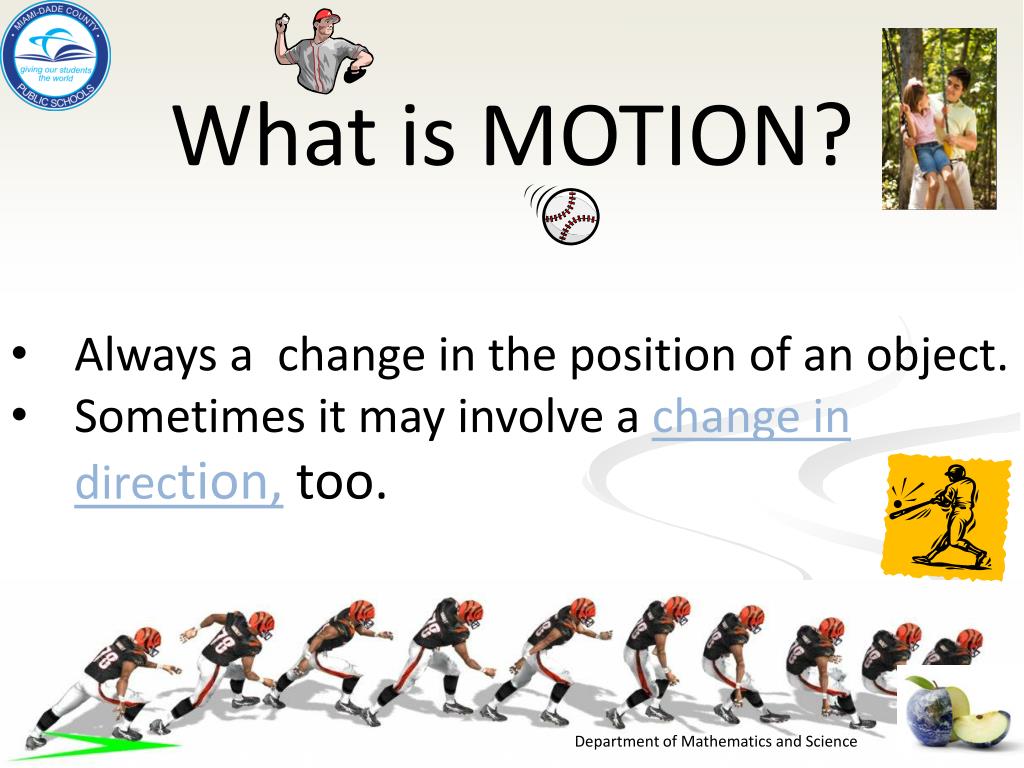
Image description: Types of Motion Class 9 with Examples motion – dfinition – Cest quoi
Motion Graphics Tools At Sasmassblog Blog What Are Newtons Three Laws Of Motion
Image description: What Is A Motion In Science motion – dfinition – Cest quoi Types of Motion Class 9 with Examples Uses of Motion in Photography – Stockvault.net Blog
Motion Graphics Tools At Sasmassblog Blog What Are Newtons Three Laws Of Motion
Image description: Facts About Motion – Types, Facts, Practice Questions and FAQs Motion Graphics Tools at Sasmassblog Blog
Types Of Motion Class 9 With Examples

Image description: 5 Ways To Use Movement in Photography Uses of Motion in Photography – Stockvault.net Blog
Uses Of Motion In Photography – Stockvault.net Blog What Are Newtons Three Laws Of Motion
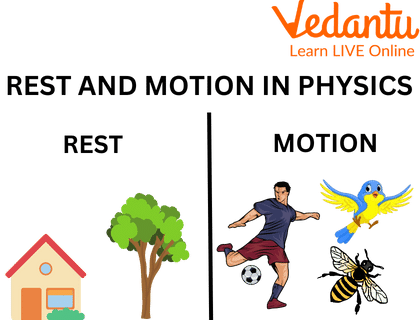
Image description: Oscillatory Motion, Meaning, Definition, Example What Are Newtons Three Laws of Motion 5 Ways To Use Movement in Photography Motion Graphics Tools at Sasmassblog Blog
Types Of Motion Class 9 With Examples

Image description: Motion Graphics Tools at Sasmassblog Blog 5 Ways To Use Movement in Photography Motion – Free of Charge Creative Commons Highway Sign image Oscillatory Motion, Meaning, Definition, Example
Facts About Motion – Types, Facts, Practice Questions And FAQs
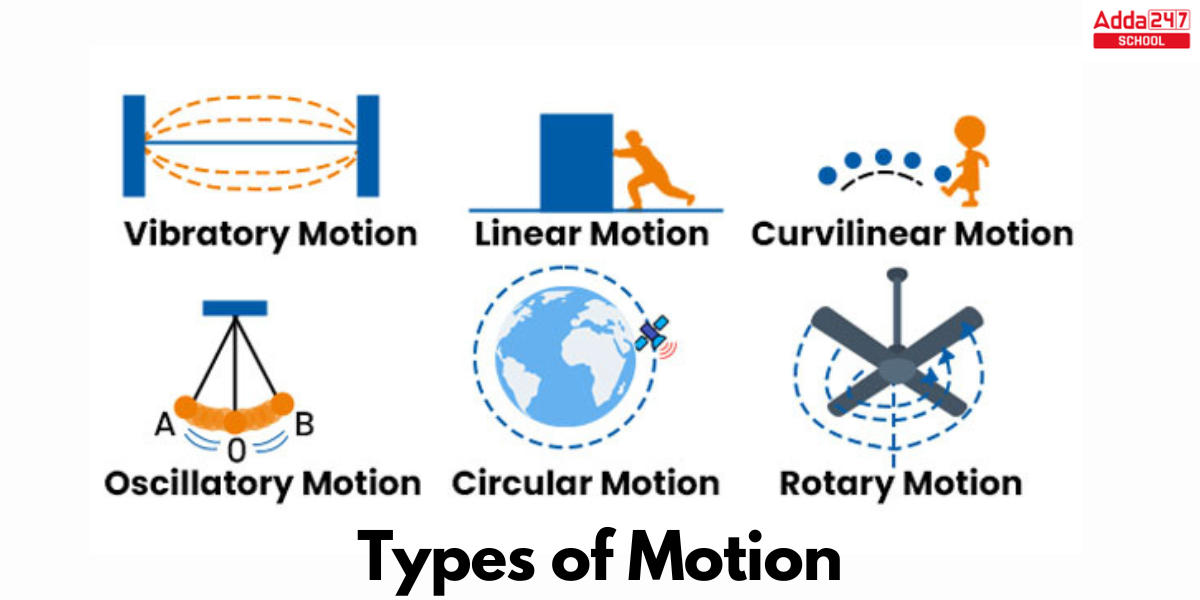
Image description: Types of Motion Class 9 with Examples Uses of Motion in Photography – Stockvault.net Blog Facts About Motion – Types, Facts, Practice Questions and FAQs Motion Graphics Tools at Sasmassblog Blog
Oscillatory Motion, Meaning, Definition, Example
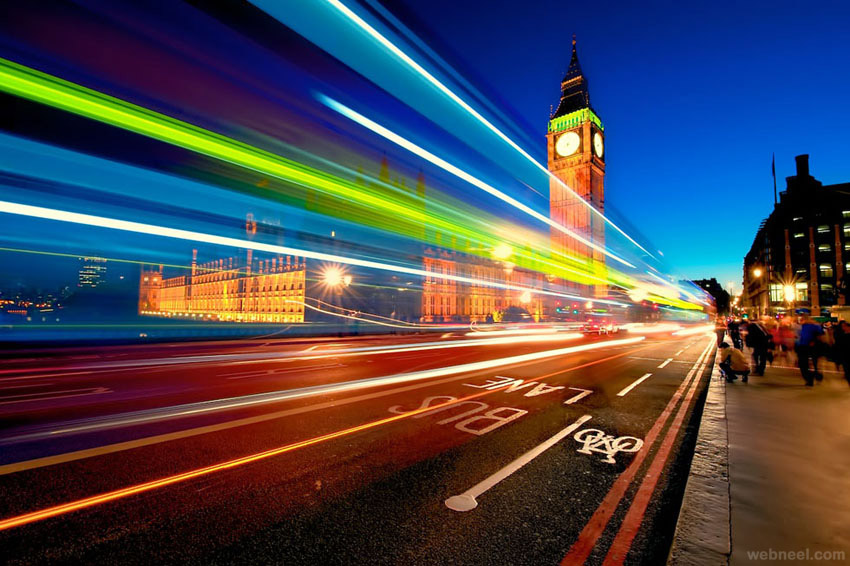
Image description: Motion. – ppt download Motion Graphics Tools at Sasmassblog Blog
Oscillatory Motion, Meaning, Definition, Example 5 Ways To Use Movement In Photography
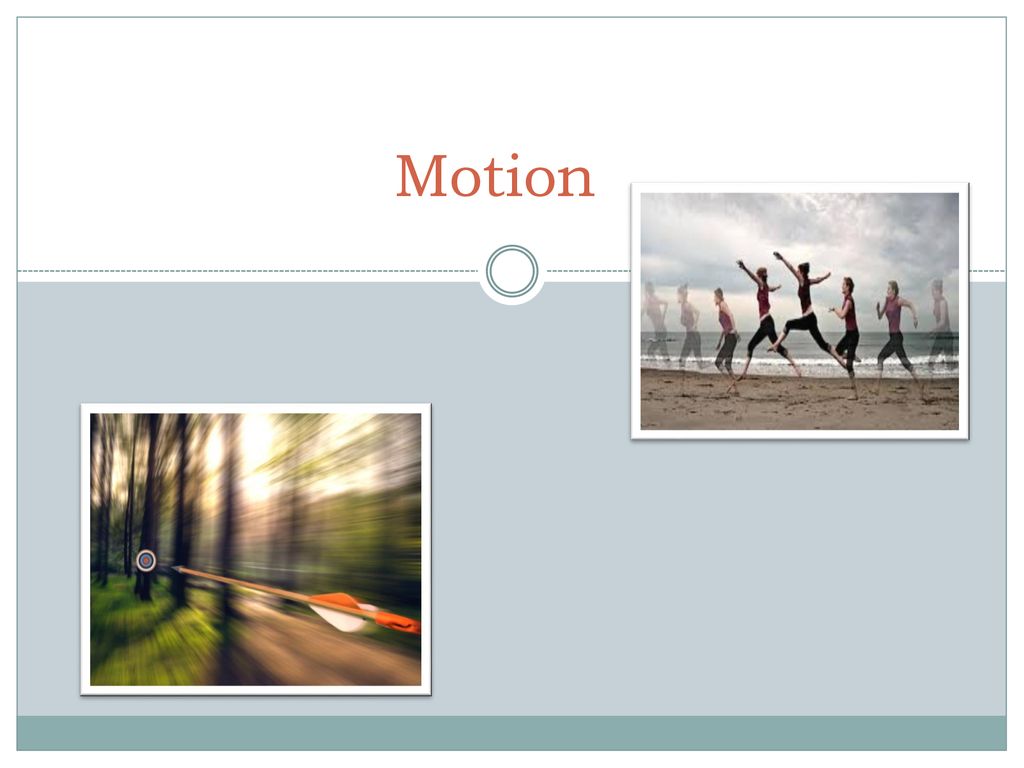
Image description: What Are Newtons Three Laws of Motion Types of Motion Class 9 with Examples Motion Graphics Tools at Sasmassblog Blog 5 Ways To Use Movement in Photography
5 Ways To Use Movement In Photography Motion – Dfinition – Cest Quoi
/GettyImages-637481524-7788e3dc814645379debe599283b658d.jpg)
Image description: Oscillatory Motion, Meaning, Definition, Example What Is A Motion In Science What Are Newtons Three Laws of Motion
Motion Graphics Tools At Sasmassblog Blog Facts About Motion – Types, Facts, Practice Questions And FAQs

Image description: Oscillatory Motion, Meaning, Definition, Example What Are Newtons Three Laws of Motion Motion Graphics Tools at Sasmassblog Blog motion – dfinition – Cest quoi
Motion – Free Of Charge Creative Commons Highway Sign Image
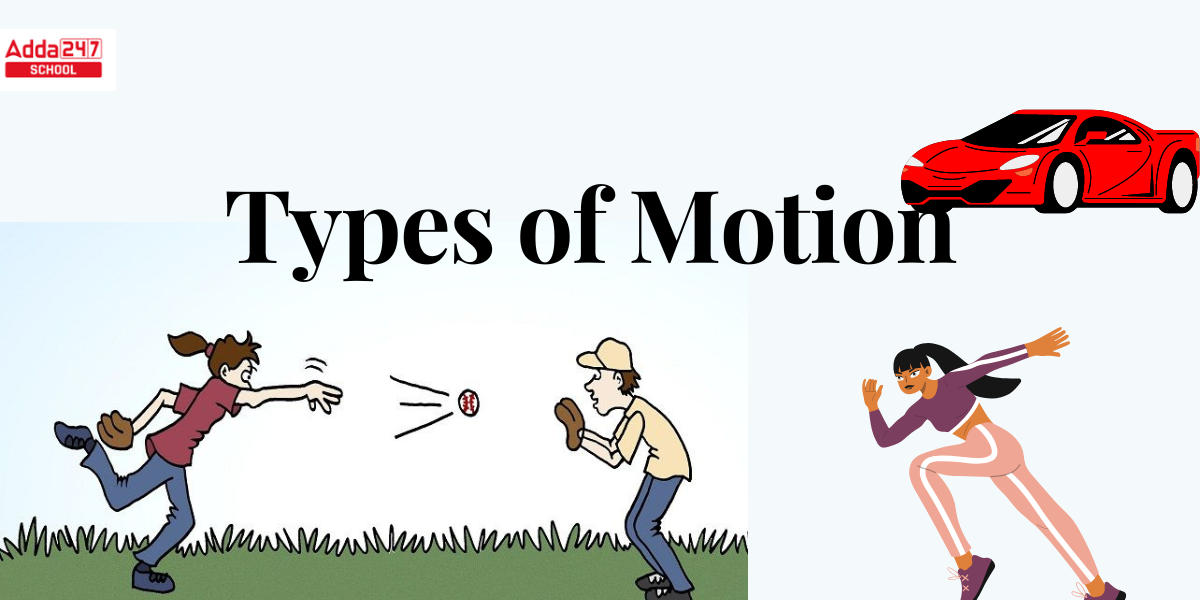
Image description: Motion – dfinition – Cest quoi Oscillatory Motion, Meaning, Definition, Example
The visuals provided are purely for educational reasons only. We avoid storing any external media on our system. All resources is embedded seamlessly from open-license sources shared for informative use only. Downloads are provided straight from the original distributors. For any copyright concerns or requests for withdrawal, please notify our site team using the Contact page.


