

Motion and Muscle Fatigue: Understanding the Connection
Our ability to move, to perform everyday activities, and to engage in physical exercise all relies on the intricate interplay between our nervous system and our muscular system. Muscles contract and relax in coordinated sequences, allowing us to walk, lift objects, and even maintain posture. However, this dynamic process is not without its limits. Prolonged or intense activity can lead to a phenomenon known as muscle fatigue, which significantly impacts our motion capabilities.
The Intertwined Relationship
Muscle fatigue is a decrease in the ability of a muscle to generate force. This isn’t just about feeling tired; it’s a physiological process involving multiple factors. When we engage in motion, our muscles require energy. This energy primarily comes from ATP (adenosine triphosphate), a molecule that powers muscle contractions. During sustained activity, the demand for ATP increases, and the body relies on various metabolic pathways to replenish it. However, these pathways can become overwhelmed, leading to a build-up of metabolic byproducts like lactic acid and inorganic phosphate. These byproducts can interfere with muscle function, impairing the ability of muscle fibers to contract effectively.
Furthermore, the nervous system plays a crucial role in muscle fatigue. As muscles become fatigued, the brain receives feedback indicating a decline in performance. This feedback can result in a reduction in the neural drive to the muscles, further contributing to decreased force production. Think of it like a dimmer switch gradually turning down the power to your muscles. This protective mechanism prevents overexertion and potential injury. Dehydration and electrolyte imbalances can also exacerbate muscle fatigue, as these factors impact nerve function and muscle hydration. Individual fitness levels, age, and underlying health conditions further influence susceptibility to fatigue.
The consequences of muscle fatigue on motion are significant. Movements become slower, less precise, and weaker. Coordination can suffer, increasing the risk of falls and injuries. Everyday tasks become more challenging and require greater effort. Understanding the mechanisms underlying muscle fatigue is crucial for optimizing performance, preventing injuries, and developing effective training strategies for athletes and individuals seeking to improve their physical function. Proper nutrition, adequate hydration, and appropriate rest and recovery are essential for minimizing muscle fatigue and maximizing our ability to move freely and efficiently.
Frequently Asked Questions (FAQ)
- What are the symptoms of muscle fatigue? Common symptoms include muscle weakness, cramping, tremors, soreness, and a decrease in coordination.
- How can I prevent muscle fatigue? Staying hydrated, eating a balanced diet, warming up before exercise, cooling down afterwards, and getting enough rest are all helpful.
- Is muscle fatigue dangerous? While typically not dangerous, severe fatigue can increase the risk of injury. It’s important to listen to your body and avoid pushing yourself too hard.
- How long does it take to recover from muscle fatigue? Recovery time varies depending on the intensity and duration of the activity, but generally, a few hours to a couple of days of rest is sufficient.
If you are looking for Motion Graphics Tools at Sasmassblog Blog Motion. – ppt download you’ve visit to the right place. We have 12 Pics about Facts About Motion – Types, Facts, Practice Questions and FAQs, Oscillatory Motion, Meaning, Definition, Example, Motion Graphics Tools at Sasmassblog Blog like What Is A Motion In Science Motion Graphics Tools at Sasmassblog Blog. Read more:
Motion Graphics Tools At Sasmassblog Blog What Are Newtons Three Laws Of Motion
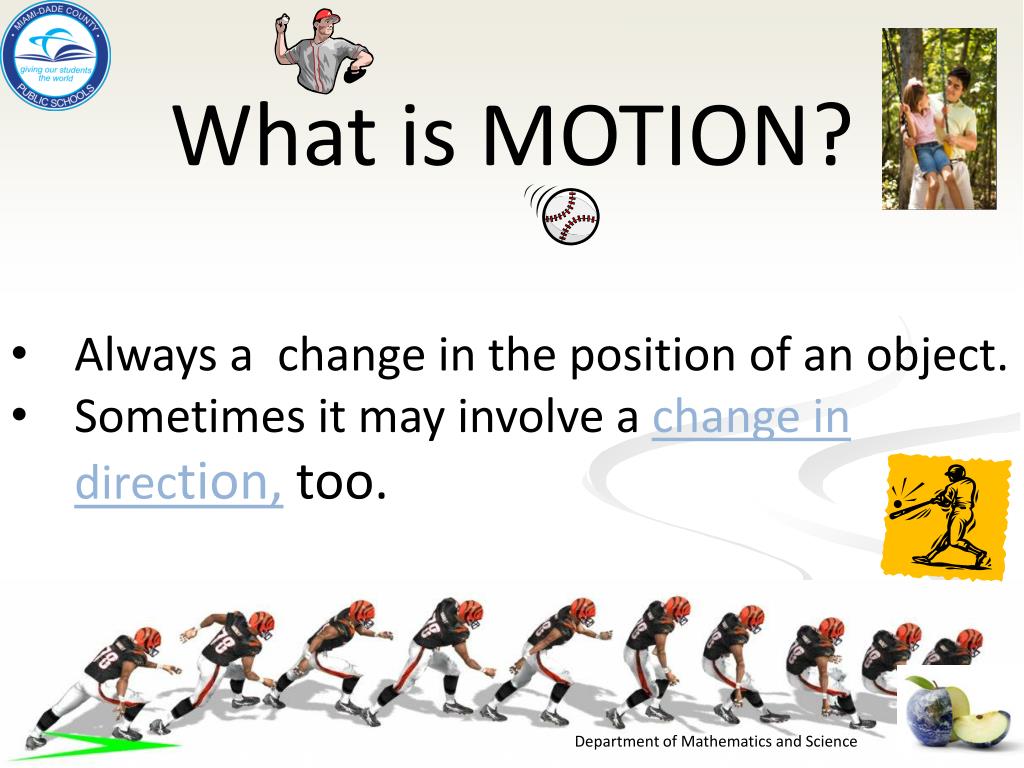
Image description: Motion – Free of Charge Creative Commons Highway Sign image Oscillatory Motion, Meaning, Definition, Example motion – dfinition – Cest quoi
Motion. – Ppt Download
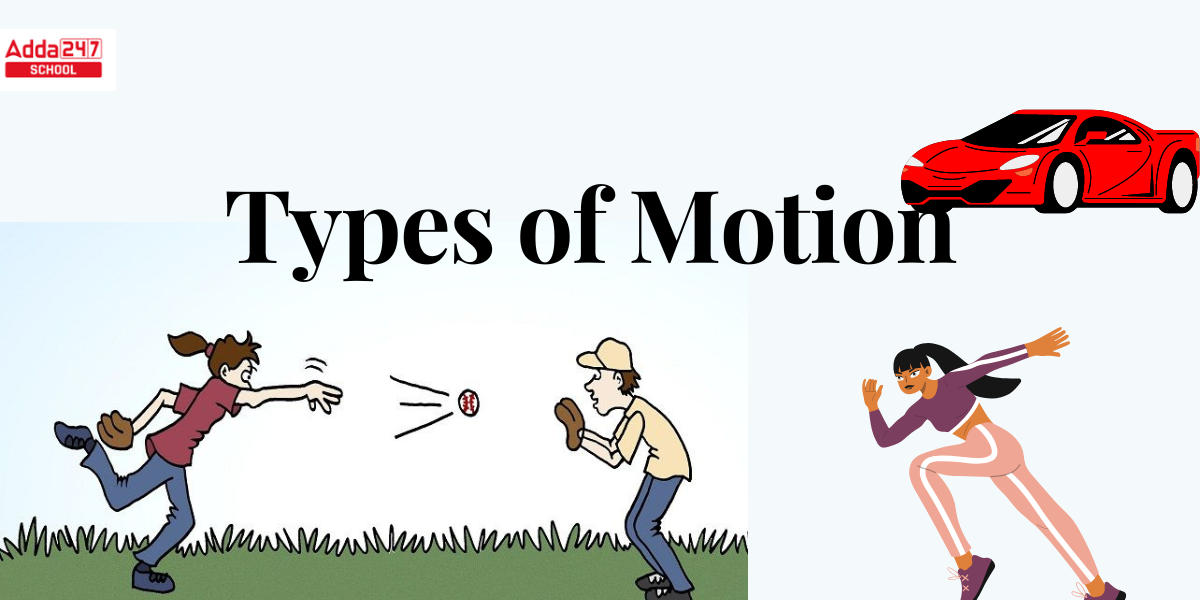
Image description: Motion. – ppt download Types of Motion Class 9 with Examples Motion Graphics Tools at Sasmassblog Blog Facts About Motion – Types, Facts, Practice Questions and FAQs
Uses Of Motion In Photography – Stockvault.net Blog
/GettyImages-637481524-7788e3dc814645379debe599283b658d.jpg)
Image description: 5 Ways To Use Movement in Photography Facts About Motion – Types, Facts, Practice Questions and FAQs
What Is A Motion In Science
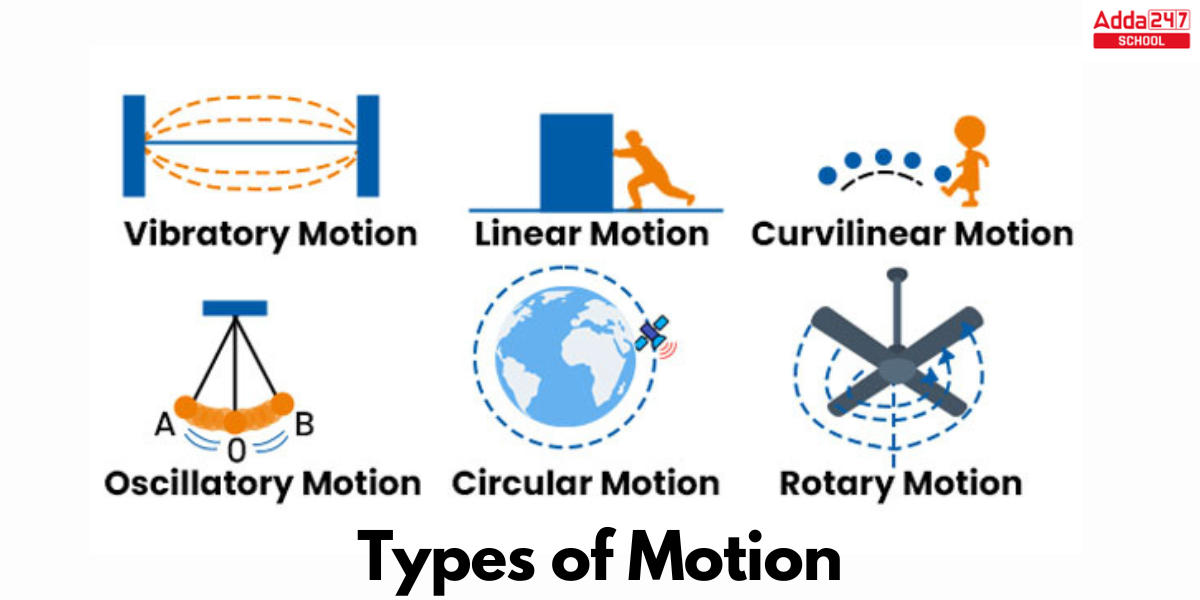
Image description: Types of Motion Class 9 with Examples Facts About Motion – Types, Facts, Practice Questions and FAQs Types of Motion Class 9 with Examples Motion. – ppt download
Uses Of Motion In Photography – Stockvault.net Blog 5 Ways To Use Movement In Photography

Image description: 5 Ways To Use Movement in Photography Oscillatory Motion, Meaning, Definition, Example
What Are Newtons Three Laws Of Motion Types Of Motion Class 9 With Examples

Image description: What Are Newtons Three Laws of Motion What Is A Motion In Science
5 Ways To Use Movement In Photography
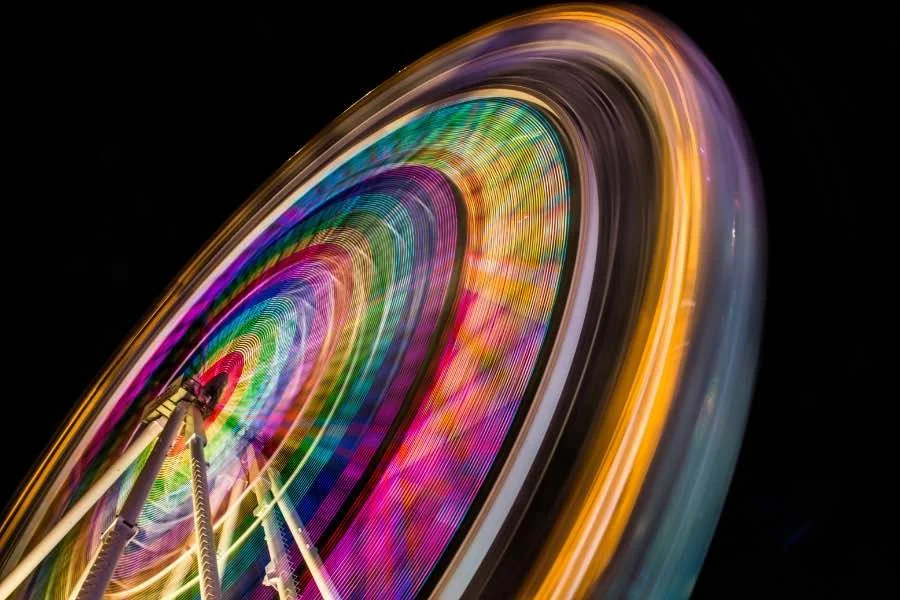
Image description: Facts About Motion – Types, Facts, Practice Questions and FAQs Types of Motion Class 9 with Examples Types of Motion Class 9 with Examples What Is A Motion In Science
Types Of Motion Class 9 With Examples

Image description: Motion – Free of Charge Creative Commons Highway Sign image What Are Newtons Three Laws of Motion Facts About Motion – Types, Facts, Practice Questions and FAQs 5 Ways To Use Movement in Photography
Oscillatory Motion, Meaning, Definition, Example
Image description: What Are Newtons Three Laws of Motion 5 Ways To Use Movement in Photography
What Is A Motion In Science
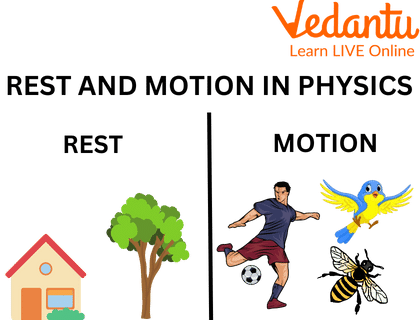
Image description: Motion. – ppt download Uses of Motion in Photography – Stockvault.net Blog motion – dfinition – Cest quoi
Motion – Dfinition – Cest Quoi

Image description: Motion. – ppt download What Is A Motion In Science
5 Ways To Use Movement In Photography
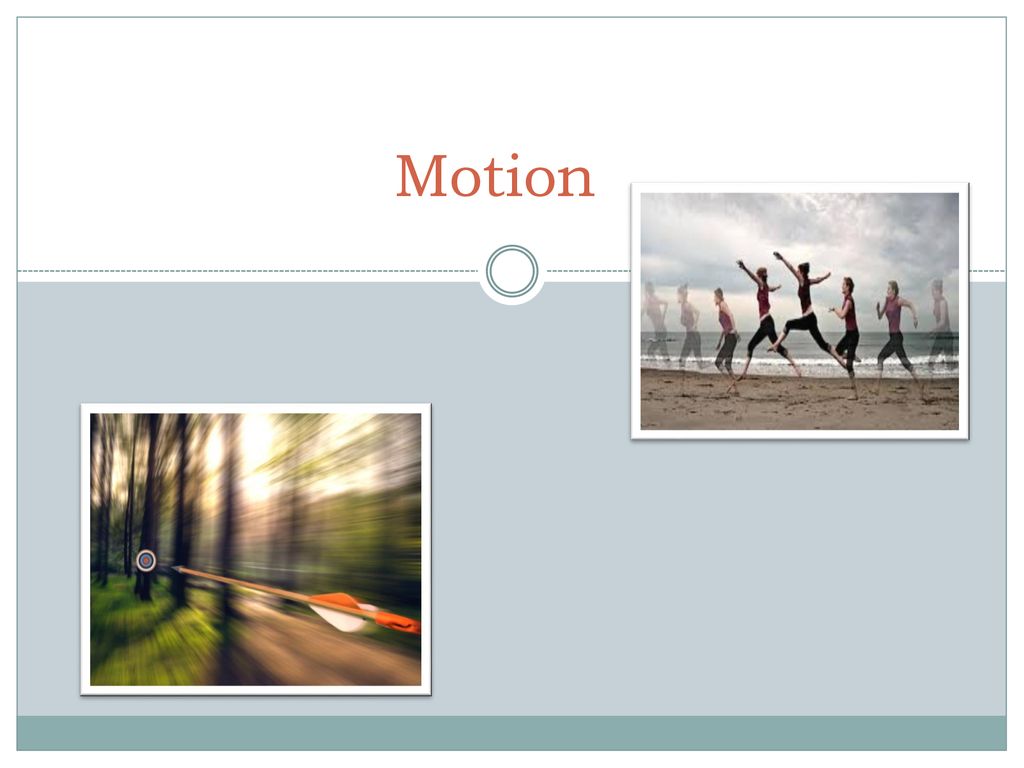
Image description: Facts About Motion – Types, Facts, Practice Questions and FAQs Oscillatory Motion, Meaning, Definition, Example What Are Newtons Three Laws of Motion 5 Ways To Use Movement in Photography
Visuals shown here are solely for explanatory purposes only. We don’t keep any outside media on our servers. Visual content is fetched instantly from open-license sources meant for educational use only. Assets are served straight from the legitimate websites. For any rights violations or deletion requests, please communicate with our administrator through our Contact page.


