

Have you ever felt a nagging pain or tightness deep within your shoulder, almost under your shoulder blade? It could be related to the subscapularis, a crucial but often overlooked muscle responsible for internal rotation and stabilization of your shoulder joint. This post will delve into the anatomy, function, and common issues associated with this important muscle.
The subscapularis is a large triangular muscle located on the anterior (front) surface of the scapula (shoulder blade), nestled deep within the armpit. It’s the largest and strongest of the rotator cuff muscles, a group of four muscles (along with the supraspinatus, infraspinatus, and teres minor) that provide stability and control to the glenohumeral joint (shoulder joint). It originates from the subscapular fossa, a concave depression on the front of the scapula, and inserts onto the lesser tubercle of the humerus (the upper arm bone). Its primary function is internal rotation of the arm, meaning turning the arm inward towards the body. It also assists in adduction (bringing the arm closer to the body) and helps to stabilize the shoulder joint by preventing anterior (forward) dislocation of the humerus. Think of it as the bouncer that keeps your upper arm from sliding forward out of its socket.
Because of its location and role, the subscapularis can be prone to injury, particularly in athletes involved in overhead activities such as swimming, baseball, tennis, and volleyball. Common issues include strains, tears, and tendinitis. Symptoms can range from a dull ache in the shoulder to sharp, stabbing pain with movement, especially during internal rotation. Pain may also radiate down the arm or into the chest. Weakness in internal rotation and limited range of motion are also common signs of subscapularis problems. Furthermore, trigger points (knots of tight muscle tissue) can develop within the subscapularis, referring pain to other areas such as the back of the shoulder or down the arm. Proper diagnosis often requires a physical examination and sometimes imaging techniques such as MRI to rule out other conditions.
Treatment for subscapularis issues usually involves a combination of conservative approaches such as rest, ice, compression, and elevation (RICE) for acute injuries. Physical therapy is often prescribed to address muscle imbalances, improve range of motion, strengthen the rotator cuff muscles, and correct faulty movement patterns. Specific exercises may include internal rotation strengthening exercises, stretching, and scapular stabilization exercises. In some cases, cortisone injections may be used to reduce inflammation and pain. Surgery is rarely necessary, but may be considered for severe tears that don’t respond to conservative treatment. Maintaining good posture, warming up properly before exercise, and avoiding overuse can help prevent subscapularis problems. Listening to your body and addressing any shoulder pain promptly is key to preventing chronic issues and maintaining healthy shoulder function.
Frequently Asked Questions About the Subscapularis Muscle
Q: What is the main function of the subscapularis muscle?
A: The primary function of the subscapularis is internal rotation of the arm. It also helps with adduction and stabilizes the shoulder joint.
Q: How can I tell if I have a problem with my subscapularis muscle?
A: Symptoms can include pain deep in the shoulder, especially with internal rotation, weakness, limited range of motion, and pain radiating down the arm or into the chest.
Q: What activities are most likely to injure the subscapularis?
A: Overhead activities such as swimming, baseball, tennis, and volleyball can increase the risk of subscapularis injuries.
Q: What is the treatment for a subscapularis injury?
A: Treatment typically involves rest, ice, compression, elevation (RICE), physical therapy, and sometimes cortisone injections. Surgery is rarely needed.
Q: Can I prevent subscapularis injuries?
A: Yes! Maintaining good posture, warming up properly before exercise, avoiding overuse, and listening to your body can help prevent subscapularis problems.
If you are searching about Subscapularis – Rotator Cuff Muscle – Yoganatomy Scapula Muscles you’ve came to the right page. We have 15 Pictures about Muscles Of The Scapula, The Muscles Of The Scapula Photograph by Science Picture Co, Scapulae Muscles That Make It Move ACE Blog like Scapula Muscles Scapula Muscles Scapulae Muscles That Make It Move ACE Blog Scapula Stability – My Family Physio. Here it is:
The Muscles Of The Scapula Photograph By Science Picture Co

Image description: Subscapularis – Rotator Cuff Muscle – Yoganatomy Scapulae Muscles That Make It Move ACE Blog Scapula Anatomy OrthoFixar 2025 Scapula Muscles
The Muscles Of The Scapula Photograph By Science Picture Co Scapula Shoulder Blade Anatomy, Muscles, Location, Function – EHealthStar
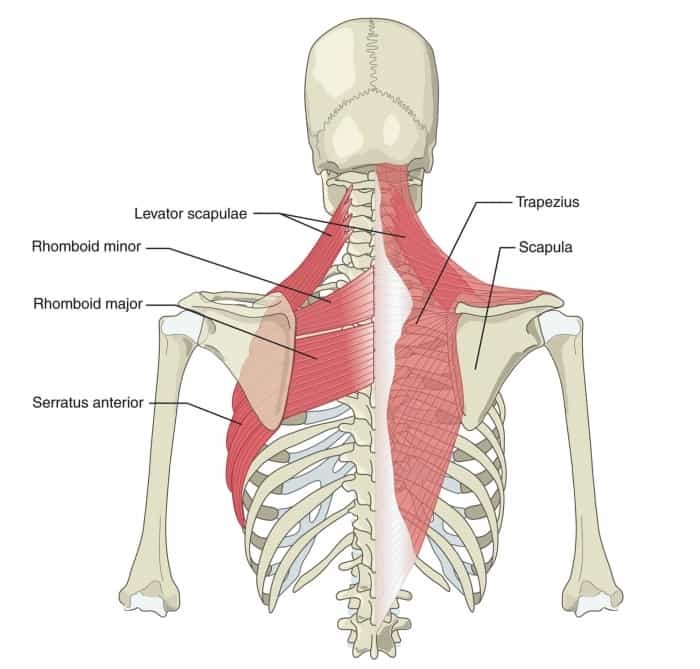
Image description: Scapula Muscles Scapula Anatomy OrthoFixar 2025 Scapula Muscles
The Muscles Of The Scapula Photograph By Science Picture Co Muscles Of The Scapula
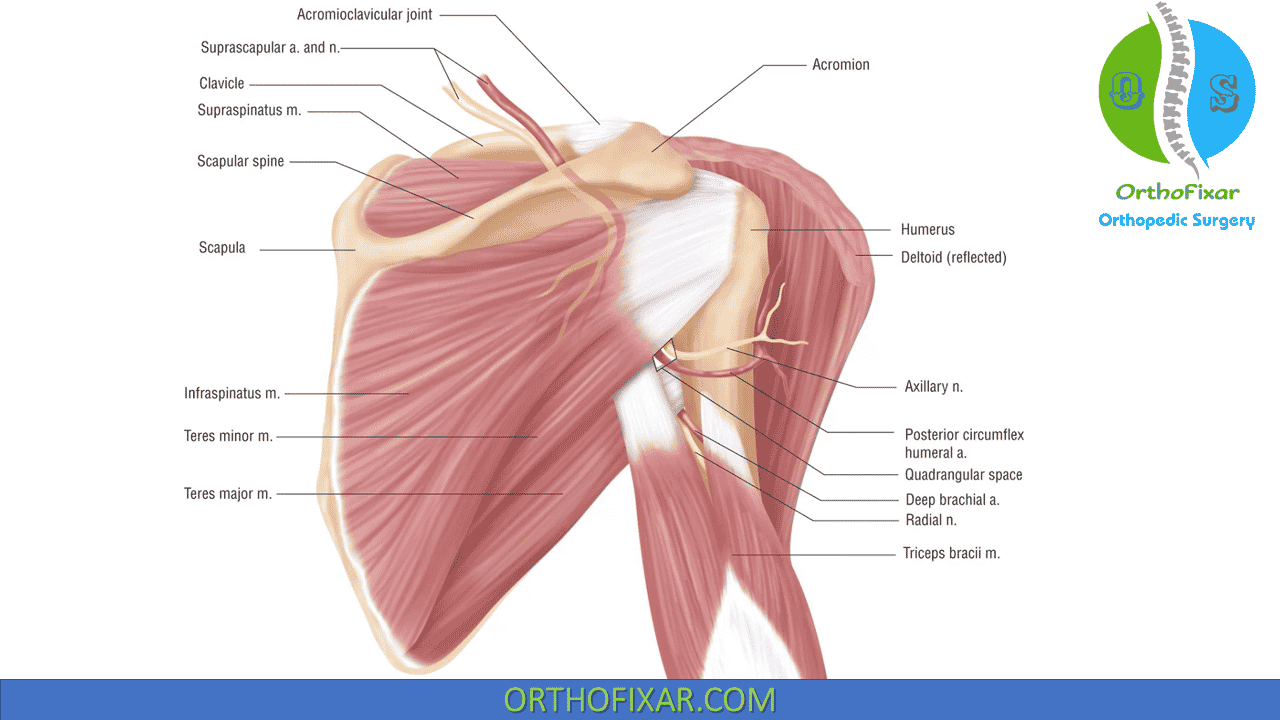
Image description: The Muscles Of The Scapula Photograph by Science Picture Co Scapula Muscles Muscles Of The Scapula Scapular Dyskinesia – Physiopedia
Scapula Stability – My Family Physio
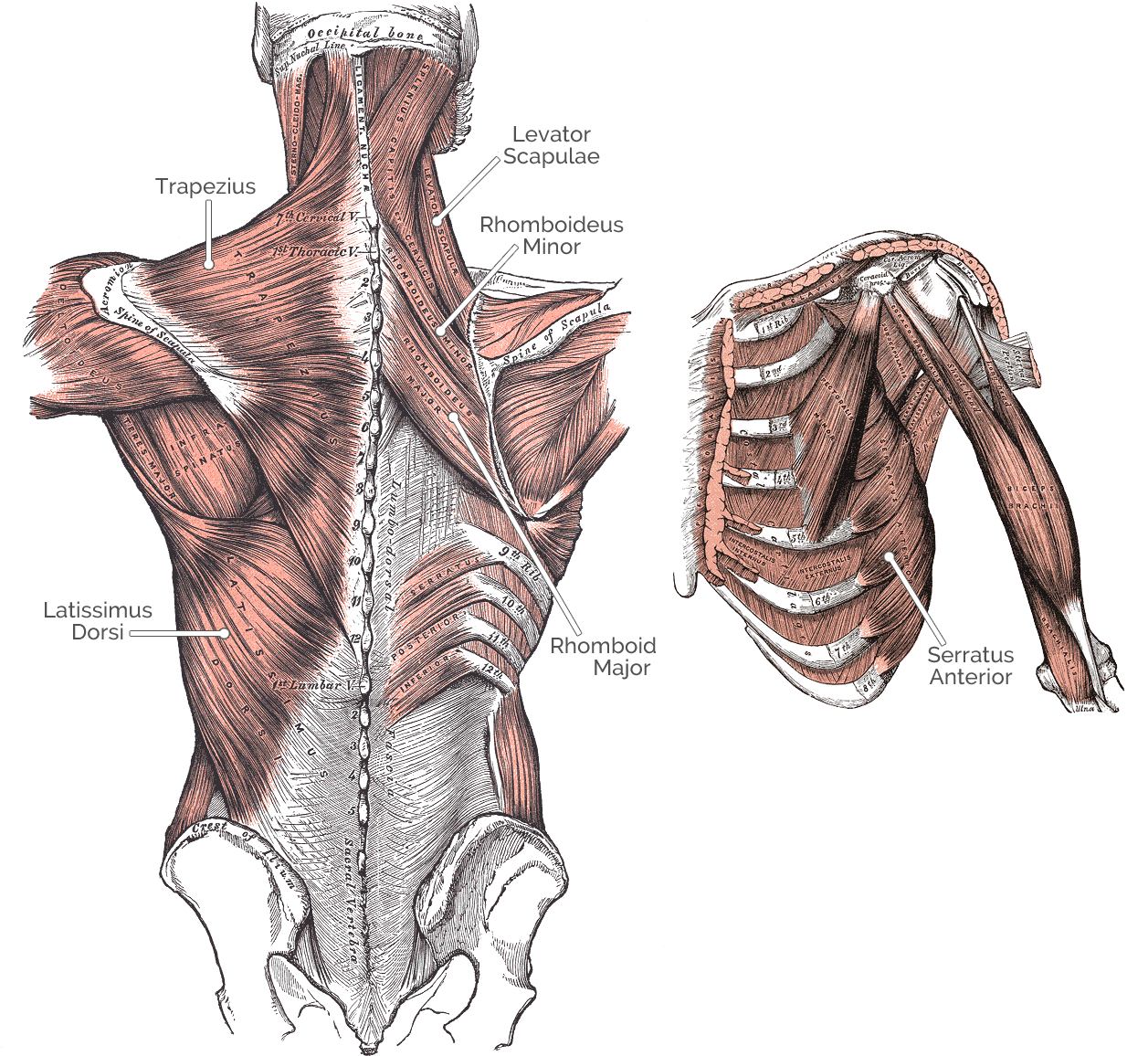
Image description: Back Scapula Muscle Anatomy – vrogue.co Scapula Anatomy OrthoFixar 2025
Scapula Anatomy OrthoFixar 2025 Subscapularis – Rotator Cuff Muscle – Yoganatomy
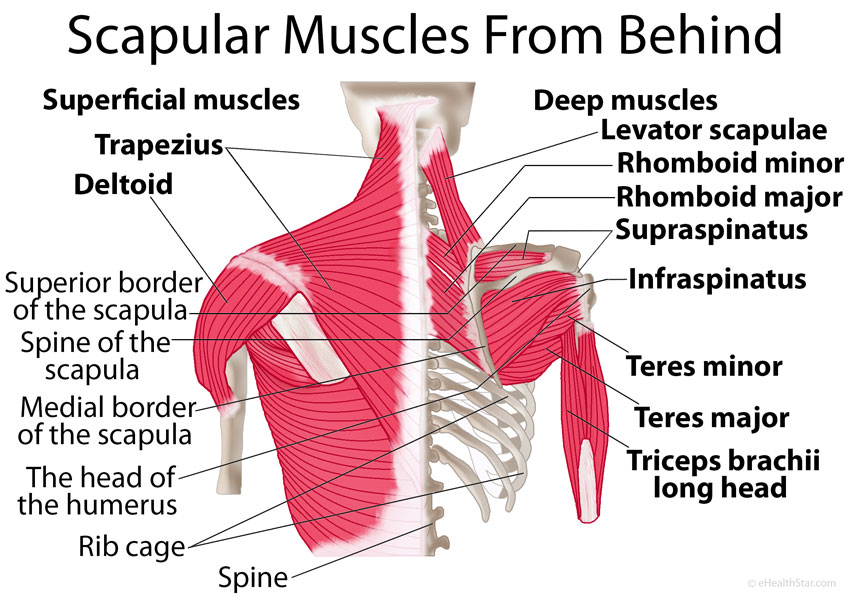
Image description: Back Scapula Muscle Anatomy – vrogue.co Skeletal System Scapula
Scapula Stability – My Family Physio
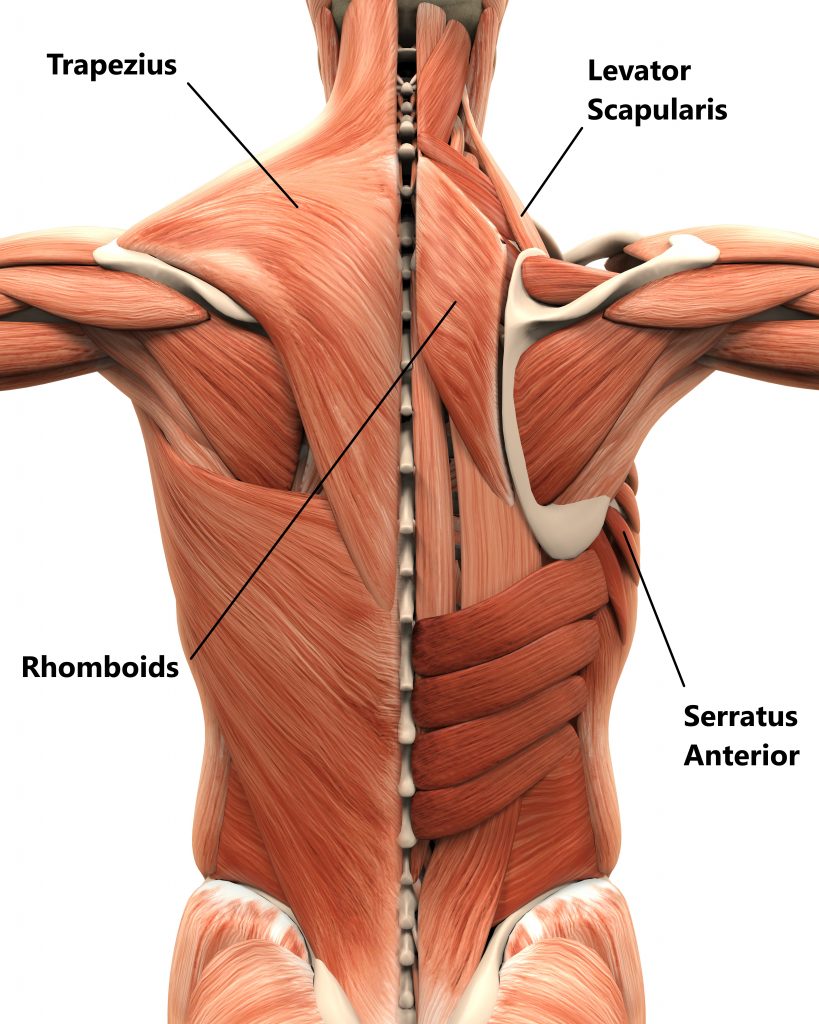
Image description: Scapular Dyskinesia – Physiopedia Scapula Muscles
Scapula Muscles
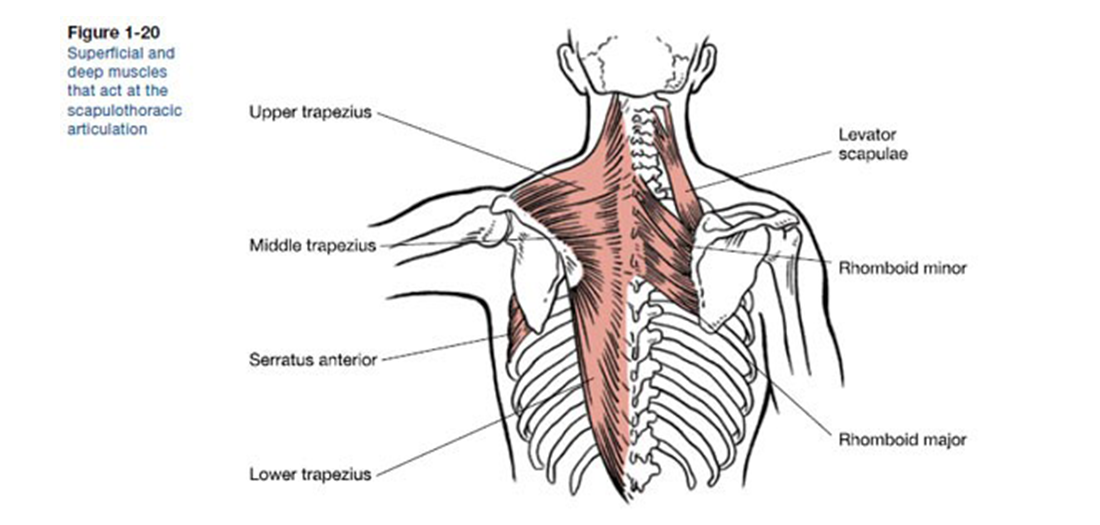
Image description: Scapula Muscles Anatomy of muscles attach on scapula – YouTube Scapula Anatomy OrthoFixar 2025 Scapula fracture causes, symptoms, diagnosis, treatment prognosis
Scapula Fracture Causes, Symptoms, Diagnosis, Treatment Prognosis Scapula Stability – My Family Physio

Image description: Scapula Anatomy OrthoFixar 2025 Scapulae Muscles That Make It Move ACE Blog
Scapular Dyskinesia – Physiopedia
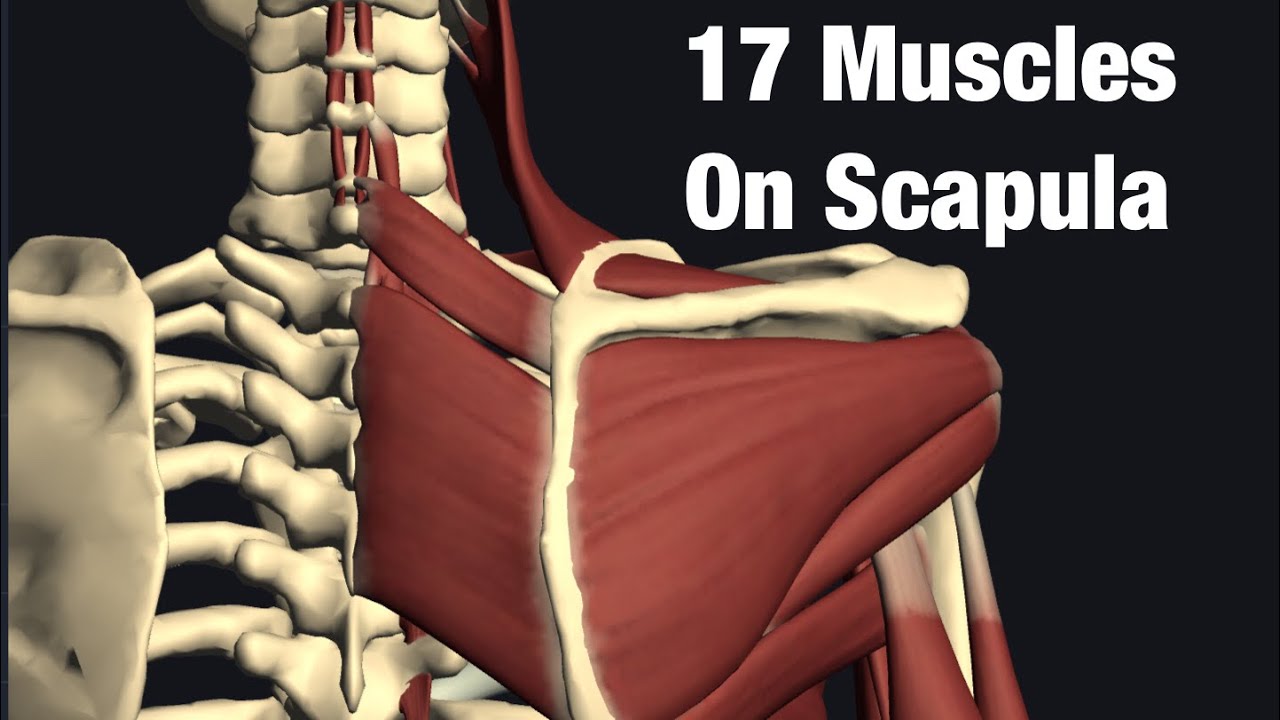
Image description: Skeletal System Scapula Scapulae Muscles That Make It Move ACE Blog Scapula Muscles Anatomy of muscles attach on scapula – YouTube
Scapula Anatomy OrthoFixar 2025 The Muscles Of The Scapula Photograph By Science Picture Co

Image description: Scapular Dyskinesia – Physiopedia The Muscles Of The Scapula Photograph by Science Picture Co Muscles Of The Scapula Anatomy of muscles attach on scapula – YouTube
The Muscles Of The Scapula Photograph By Science Picture Co
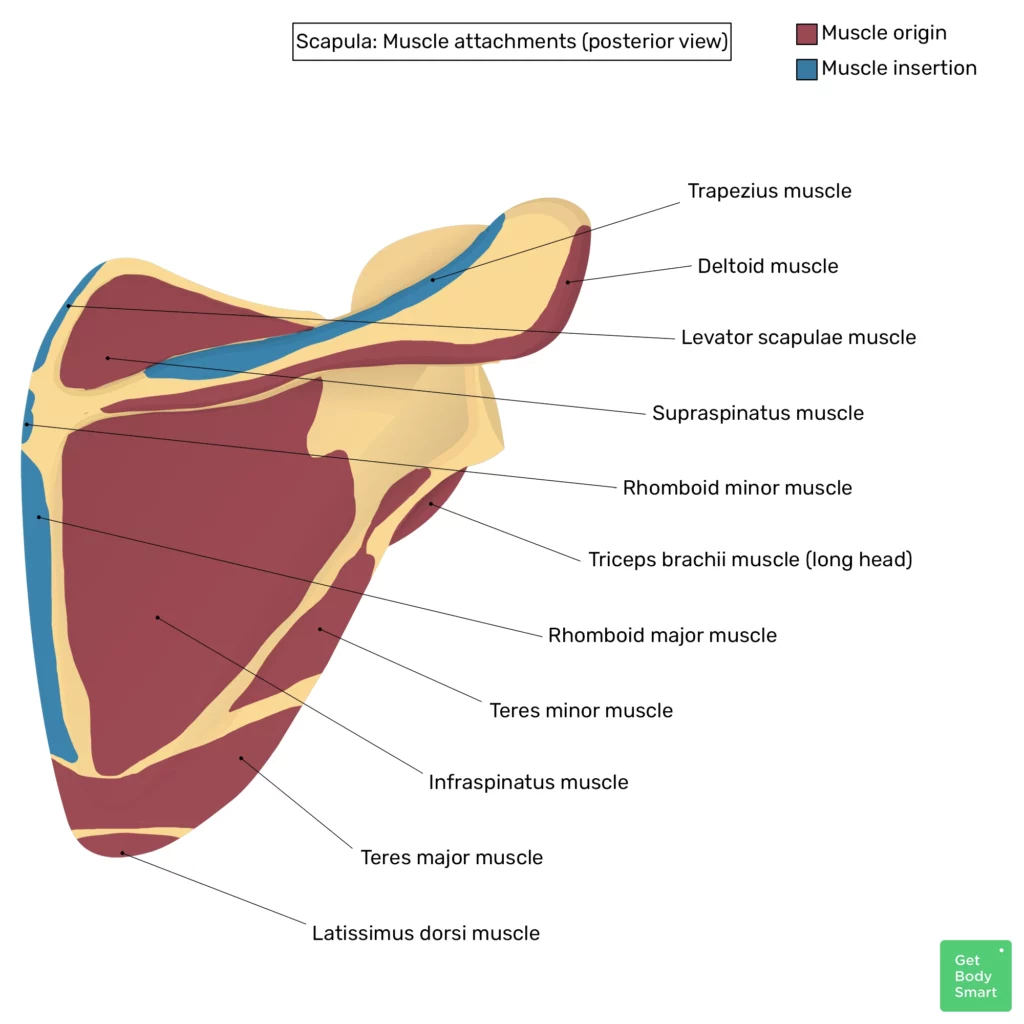
Image description: Scapula Stability – My Family Physio Scapula Muscles
Muscles Of The Scapula Scapula Muscles
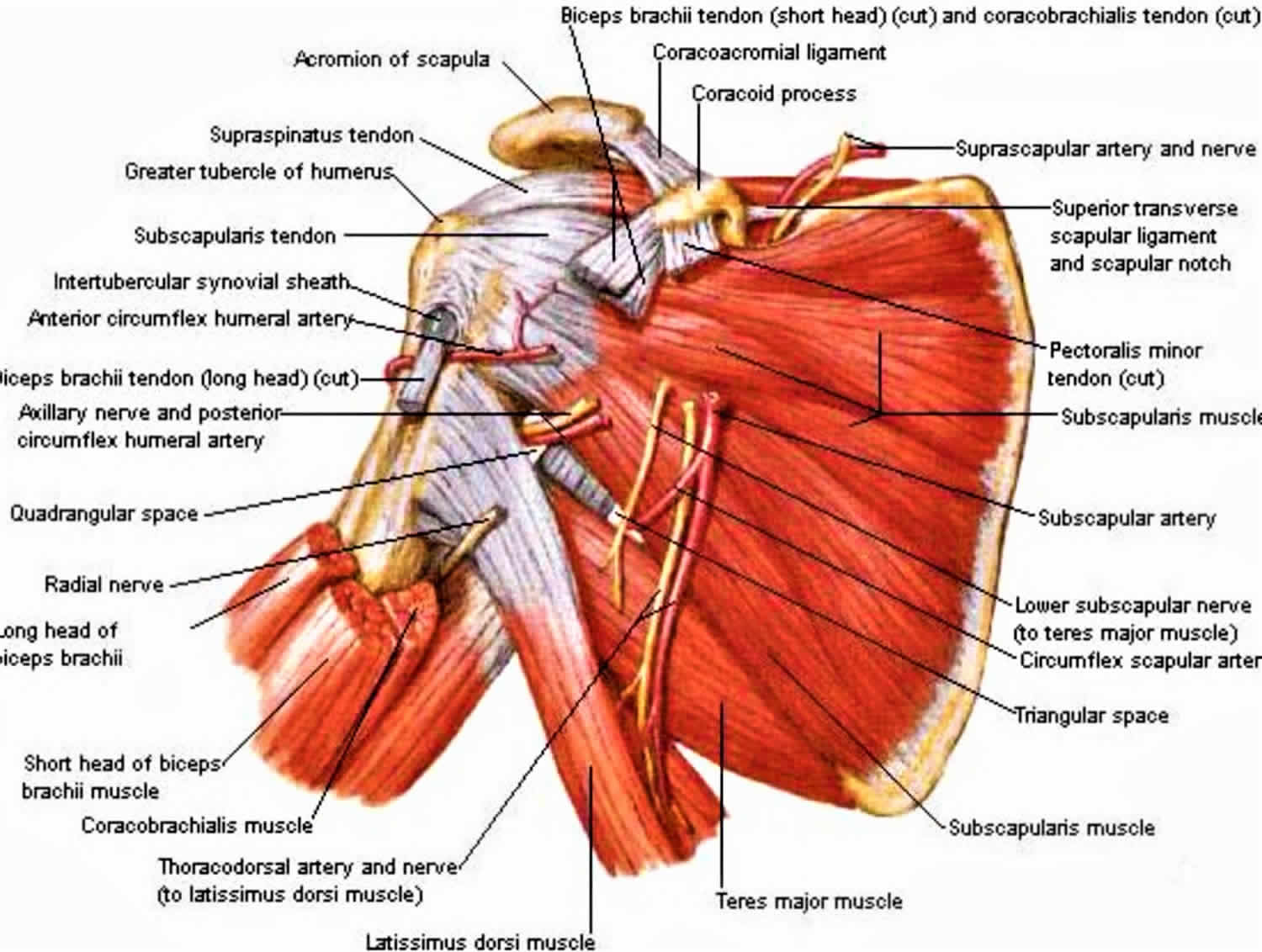
Image description: Scapular Dyskinesia – Physiopedia Anatomy of muscles attach on scapula – YouTube
Scapula Muscles Anatomy Of Muscles Attach On Scapula – YouTube

Image description: Scapula Stability – My Family Physio Scapulae Muscles That Make It Move ACE Blog
Scapulae Muscles That Make It Move ACE Blog

Image description: Subscapularis – Rotator Cuff Muscle – Yoganatomy Skeletal System Scapula
Scapula Anatomy OrthoFixar 2025 Scapula Stability – My Family Physio

Image description: Scapular Dyskinesia – Physiopedia Scapulae Muscles That Make It Move ACE Blog Muscles Of The Scapula Scapula Stability – My Family Physio
The graphics displayed are exclusively for reference reasons only. We refrain from hosting any off-site media on our network. Media is streamed seamlessly from copyright-free sources intended for personal use only. Files are offered straight from the primary websites. For any rights violations or content removal demands, please communicate with our moderator using the Contact page.


